Date Seed Coffee vs Regular Coffee: An Honest Comparison
Taste, caffeine, brewing and cost per cup: an honest side-by-side of date seed coffee and regular coffee, and when each one belongs in your day.
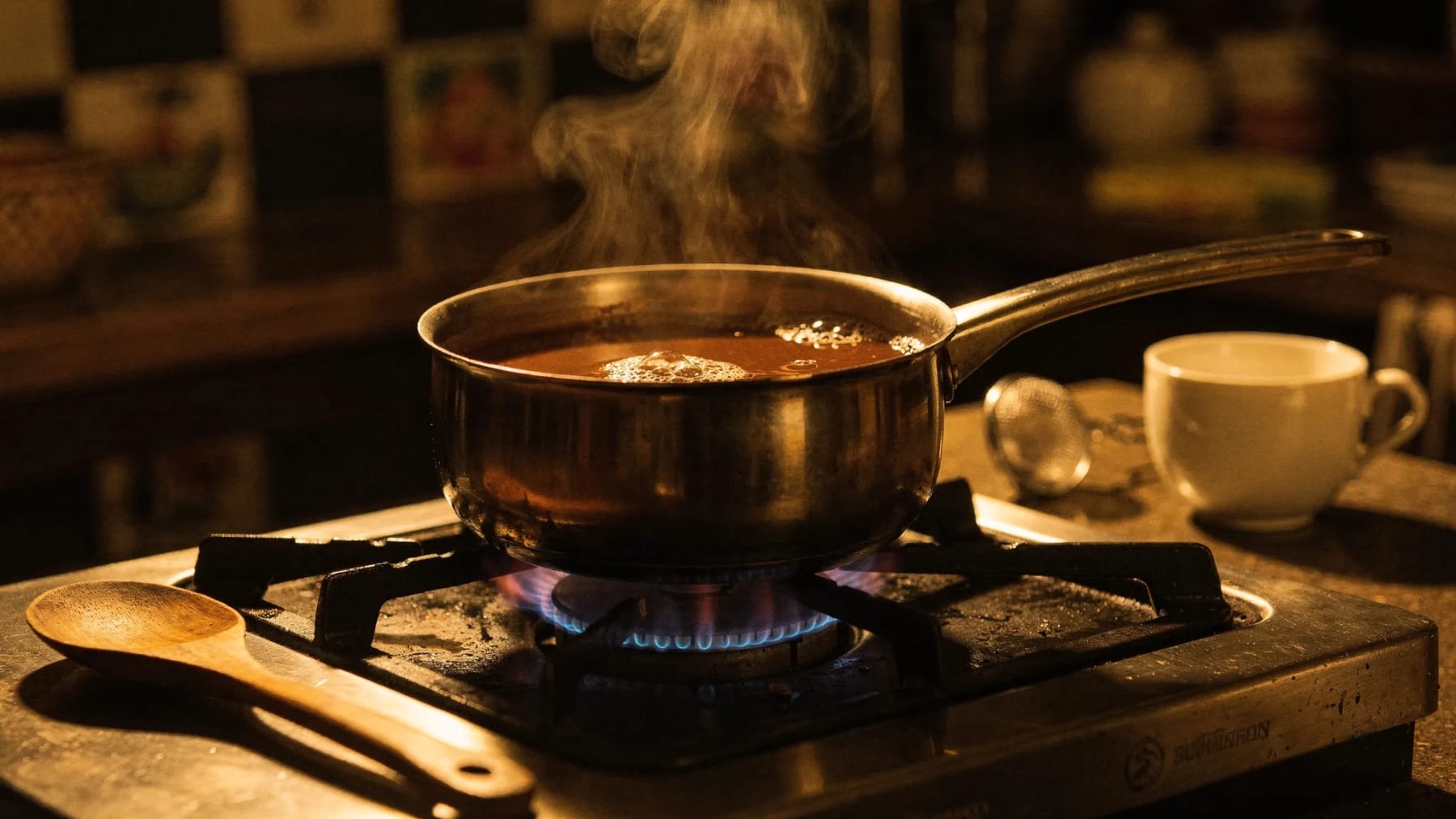
It is 4 pm in an office in Kochi. The second filter coffee of the day is going cold on the desk, and somewhere at the back of your mind a quiet calculation is running: if I drink this now, will I sleep tonight? That small question is why so many people are now comparing date seed coffee vs regular coffee, not to give up a drink they love, but to find an honest alternative for the hours when caffeine stops being a friend.
This guide puts the two side by side on what they are made from, how they taste, what they do to your evening, how they brew and what they cost. No hype. By the end you will know exactly where each cup belongs in your day.
#What each cup is actually made from
Regular coffee comes from the roasted seeds of the coffee plant, mostly Arabica and Robusta. In India that usually means beans grown in Chikmagalur, Coorg, Wayanad or the Nilgiris, often blended with chicory for a classic South Indian filter decoction.
Date seed coffee comes from a different tree entirely. The seed inside every date, called nawa in Arabic, is cleaned, dried, roasted dark and ground fine. There are no coffee beans in it at all. Across the Gulf it has been brewed for generations as qahwat nawa al-tamr, a frugal and fragrant drink made from what was left after the fruit was eaten.
Same ritual of roasting and grinding. Different plant, different chemistry. That one fact explains almost every difference below.
#Date seed coffee vs regular coffee at a glance
| Date seed coffee | Regular coffee | |
|---|---|---|
| Source | Roasted seed of the date palm | Roasted seed of the coffee plant |
| Caffeine | None, naturally | Present; varies by bean, roast and brew |
| Flavour | Toasty, nutty, light cocoa and caramel | Fruity and bright through to dark and bitter |
| Bitterness | Low | Low to high, depending on roast |
| Acidity | Soft and rounded | Noticeable, especially in light roasts |
| Best brewing | Simmer, French press, moka pot | Espresso, filter, pour-over, French press |
| Crema | None | Yes, on espresso |
| Best time of day | Any hour, including after dinner | Morning to early afternoon for most people |
The table is the short version. The sections below explain why each row looks the way it does.
#Taste: what to expect from your first sip
If you go in expecting an espresso, date seed coffee will surprise you. It is gentler. Roasted dark, it smells of toasted bread crust, roasted almond and a whisper of cocoa. On the tongue it is smooth, with a dry and clean finish and very little of the sharp bitterness that dark coffee can carry.
Regular coffee covers a far wider range. A light Ethiopian roast can taste of berries and jasmine. A dark Monsooned Malabar leans earthy and heavy. A filter decoction with chicory is bold and almost woody. That range is coffee's great strength, and nothing else quite replaces it.
Date seed coffee does not try to out-coffee coffee. It wins by being calm.
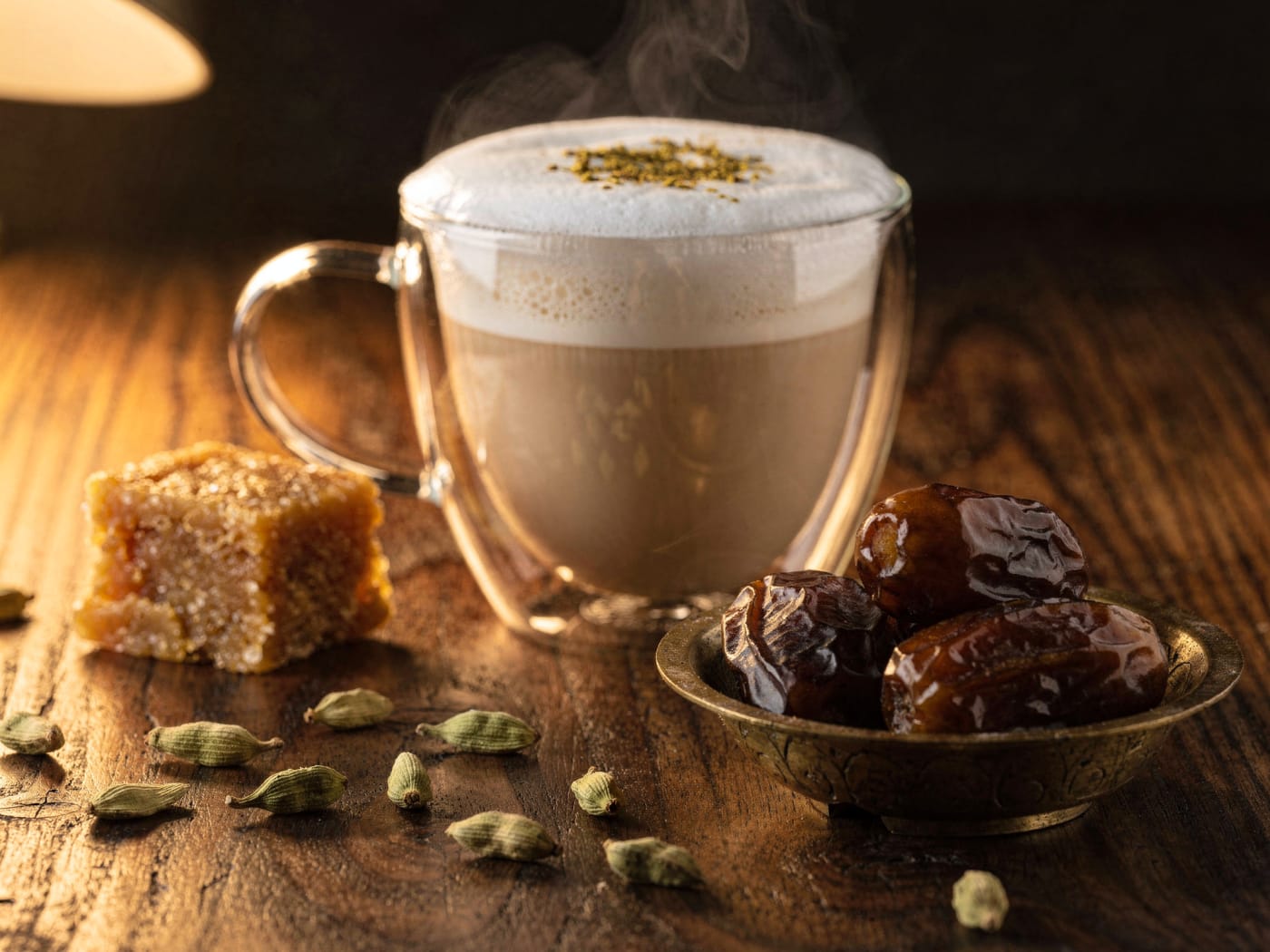
Milk changes both cups. Regular coffee holds its shape under milk and sugar. Date seed coffee turns into something closer to a malted, nutty drink, which many people love with a spoon of jaggery or a crushed pod of cardamom.
#Caffeine, sleep and the hours of your day
This is the real dividing line. Regular coffee contains caffeine, which is exactly why it works as a morning wake-up. Caffeine also lingers in the body for hours, which is why a 5 pm cup can still feel present at midnight for some people.
Date seed coffee is naturally caffeine-free. There is nothing to wear off. That makes it useful in precisely the places regular coffee struggles:
- After dinner, when you want the ritual of a warm dark cup without a stimulant.
- Late work or study sessions, when you want something comforting at your elbow.
- Cutting back on caffeine, when you miss the habit more than the buzz.
- Family tables, where one pot can be poured for everyone, at any hour.
Many people end up with a simple split: regular coffee before noon, date seed coffee after. You do not need to choose a side. You only need to choose a time.
#Brewing: what changes in your kitchen
Regular coffee is fussy in a rewarding way. Grind size, water at roughly 90 to 96°C, extraction time and ratio all shape the cup. Espresso machines and pour-over cones exist to control those variables.
Date seed coffee is more forgiving. It is ground fine and behaves less like a filter coffee and more like a traditional simmered brew. The classic method is simple: 10 g (about two heaped teaspoons) in 300 ml of water, brought to a boil and simmered gently for 5 to 7 minutes. Rest it for a minute so the grounds settle, then pour slowly. That makes two small cups.
For full step-by-step instructions on three methods, read our guide on how to brew date seed coffee.
#Cost per cup and how far a pack goes
Good coffee in India has become wonderful and, at the speciality end, expensive. Brewing at home brings the cost down, but quality beans, fresh grinding and the right equipment still add up.
Date seed coffee is easy to budget. At around 5 g per cup, a 200 g pack of Azkhaa gives you about 40 cups, and it needs nothing more than a saucepan and a strainer. No grinder, no machine, no paper filters.
The bigger saving is less obvious. When your evening cup is caffeine-free, you stop trading tomorrow morning's energy for tonight's comfort.
#So which one should you drink?
Think of it as a wardrobe, not a rivalry.
- Reach for regular coffee when you want a morning lift, love exploring origins and roasts, or need espresso for a cappuccino.
- Reach for date seed coffee in the afternoon and evening, when you are cutting back on caffeine but want to keep the ritual, or when you want a pot to share with family and guests at any hour.
- Use both if you love coffee and also love sleeping well. Most people who try date seed coffee do exactly this.
If you are new to it, start with what date seed coffee is and where it comes from, then try these date seed coffee recipes or build it into your night with these caffeine-free evening coffee rituals. When you are ready to brew your first pot, Azkhaa is a single ingredient, roasted in small batches and delivered across India. You can find it in the shop.
#Frequently asked questions
Does date seed coffee taste like regular coffee?
It shares the toasty, roasted character of dark coffee but is softer, nuttier and less bitter. Most people describe it as coffee-like rather than an exact copy.
Is date seed coffee really caffeine-free?
Yes. It is made only from roasted date seeds and contains no coffee beans, so it is naturally caffeine-free.
Can I mix date seed coffee with regular coffee?
You can. Some people combine the two half and half to lower the caffeine in a cup while keeping a familiar coffee flavour. Brew them separately, since each prefers a different method, then mix.
Can I make date seed coffee in an espresso machine?
It is not recommended. The grind is very fine and can clog the basket. Simmering on the stove, a French press or a moka pot gives a better cup.
How much date seed coffee should I use per cup?
Start with about 5 g per 150 ml cup and simmer for 5 to 7 minutes. Use a little more for a bolder cup, or a little less if you plan to add milk.

Azkhaa roasts and grinds premium date seeds into a naturally caffeine-free coffee, shipped across India. Questions about brewing? Ask us.
Keep reading
More from the journal
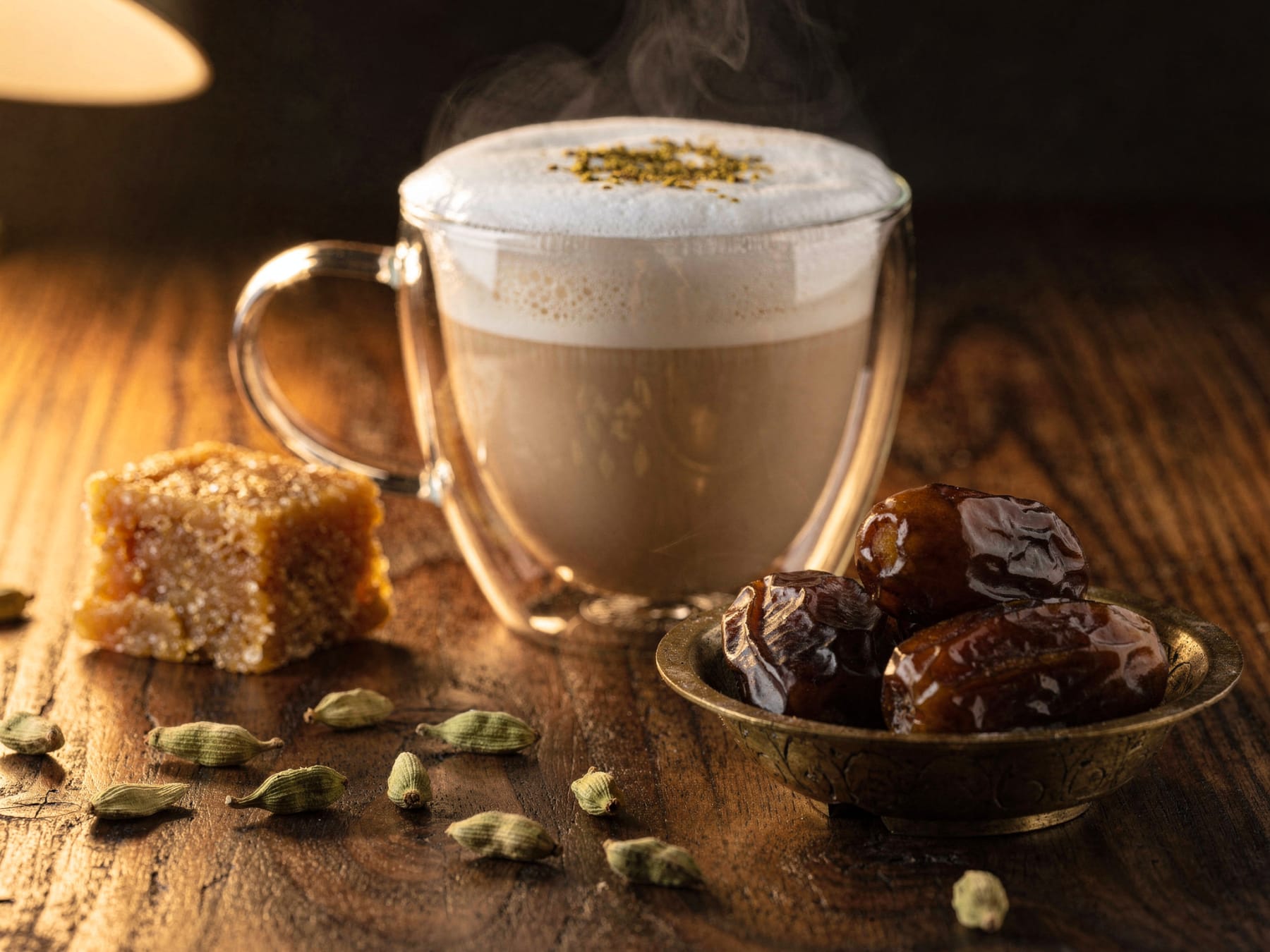
5 Date Seed Coffee Recipes: Lattes, Iced and Spiced Cups
Five easy date seed coffee recipes, from a cardamom jaggery latte to an iced cup and a vanilla affogato. Exact grams, timings and caffeine-free.
Read the story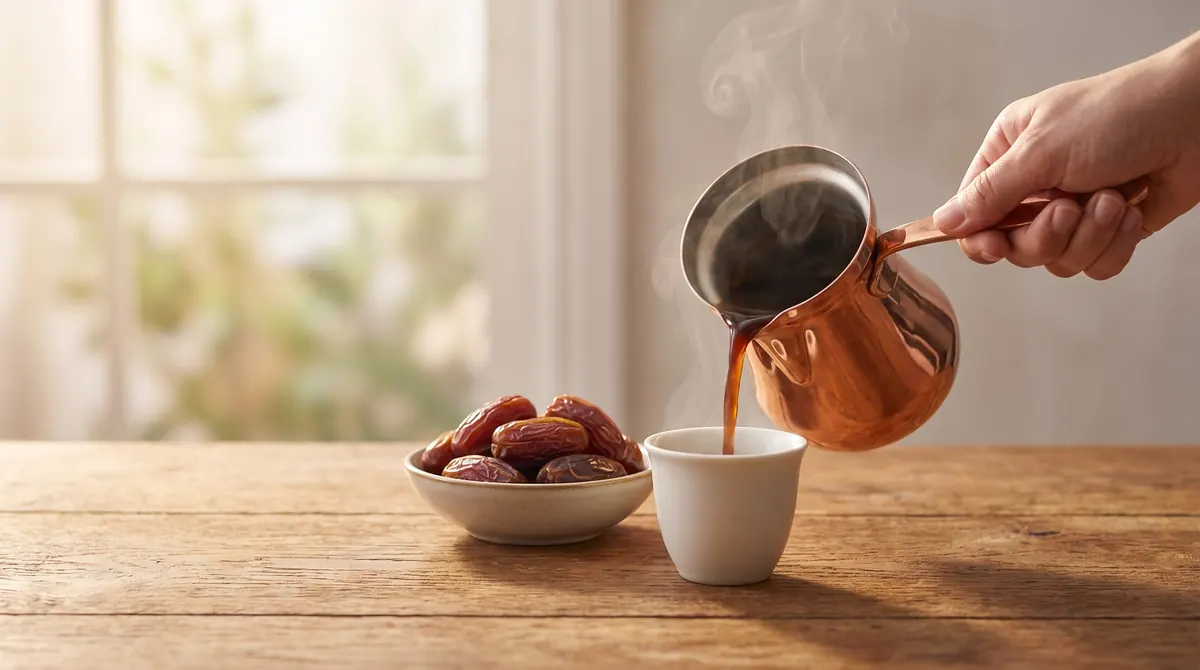
How to Brew Date Seed Coffee: 3 Methods, Perfected
Dallah, French press or café-style latte: exact ratios, timings and small tricks for brewing smooth, aromatic date seed coffee at home, every single time.
Read the story
What Is Date Seed Coffee? Taste, Origins and Caffeine
Date seed coffee is made from roasted, ground date pits: dark, nutty and naturally caffeine-free. How it tastes, where it comes from and how to enjoy it.
Read the story